The first families reached South Oxhey to find new houses, deep mud and very little else.24,473 Over the next ten years schools, churches, shops, pubs and clubs arrived, and the newcomers built a close community around them.24,111,473,474,475
Who came
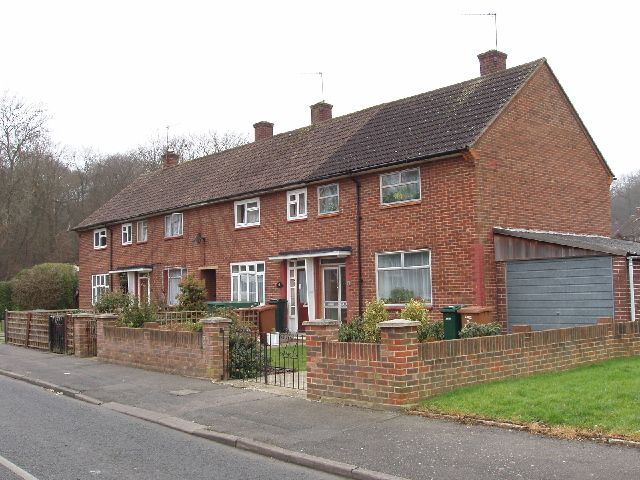
John Swain says most newcomers came from bomb-damaged, overcrowded homes in north and east London.24 Memories on Our Oxhey mention Paddington, Shepherd's Bush, Holloway, Camden Town, Hampstead and Whitechapel, and one author's family came from the LCC's older estate at Becontree.25,124,433,445,476,477 Houses were allocated on points for things like health and family size, and a woman recorded for Our Oxhey says a baby on the way earned her a new three bedroom house with 140 feet of garden.147,478 Others came by exchange, one family swapping with tenants who wanted to go back to London and another moving out from Whitechapel in 1955.445,477
Arriving on a building site
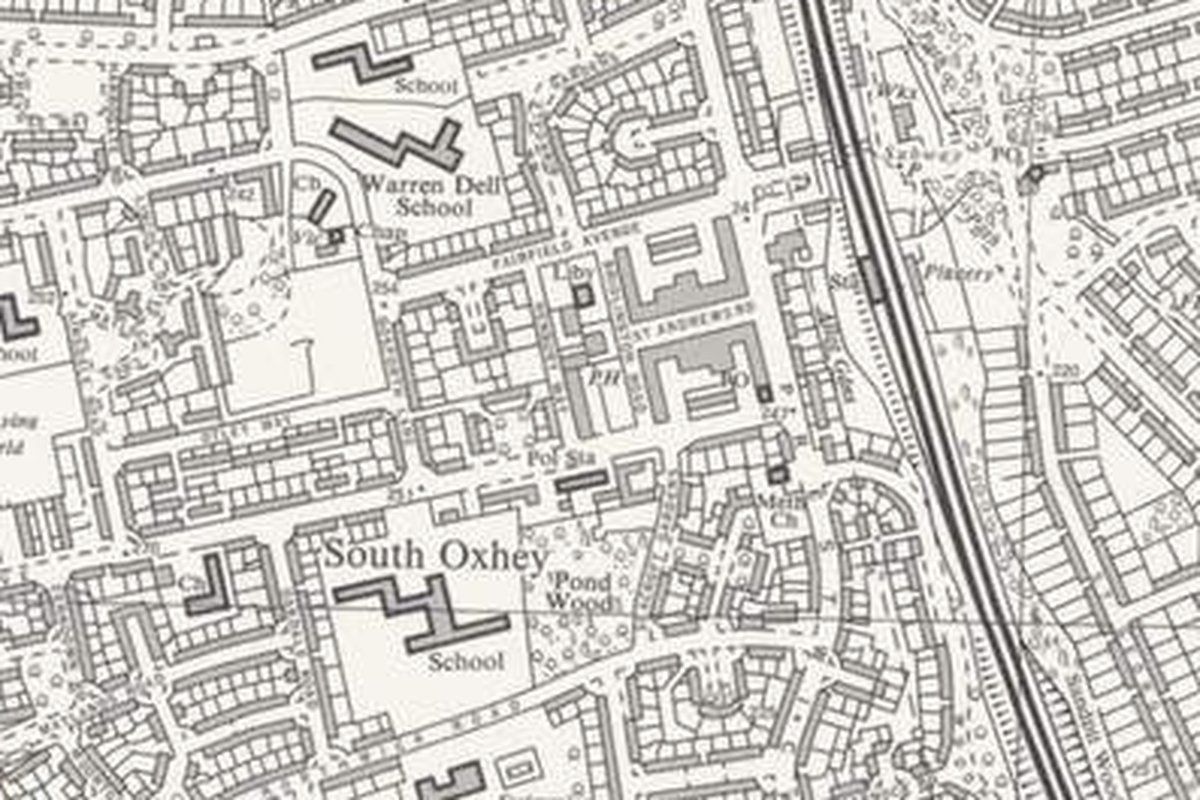
At first there were no schools, shops, pavements, street lights, telephones, churches or clubs.24 A welcome letter from the LCC in March 1949 told new tenants that shops, churches and halls would come in time, and asked them to be good neighbours.31,121 Residents remember ash paths instead of pavements, floors that needed endless mopping, and wellingtons left in a hedge by the station for the muddy walk home from the train.473,479,480
Food came by van in the early years, Barkers of Watford sending a big green one on Wednesdays and Fridays, and for anything else people walked to Carpenders Park, Hatch End or Watford.142,479,481,482 Homes were heated with coal, coke or paraffin, and families gathered firewood in Oxhey Woods and on the railway embankment.147,473,483 They were not always warm. In 1956 an MP told the Commons that a 1954 London School of Hygiene survey of 1,018 houses on the estate had found frost-burst pipes in 98 of them.484
Rent, money and the rules
The rents, and the nineteen tenancy rules that came with them, are in Building the Estate.450 The rent man called every week, along with the coalman and the insurance man.130 The bigger cost was furnishing an empty house, and a tally man collecting catalogue payments here from the late 1940s found many bad debts, quietly agreeing smaller weekly sums until people could pay in full.485 Looking back in 1996, the Watford Observer said the estate became subject to lodger rent in 1955, giving the charge in decimal money as 25p a week for a blood relative and 50p for anyone else.142
Work and getting about
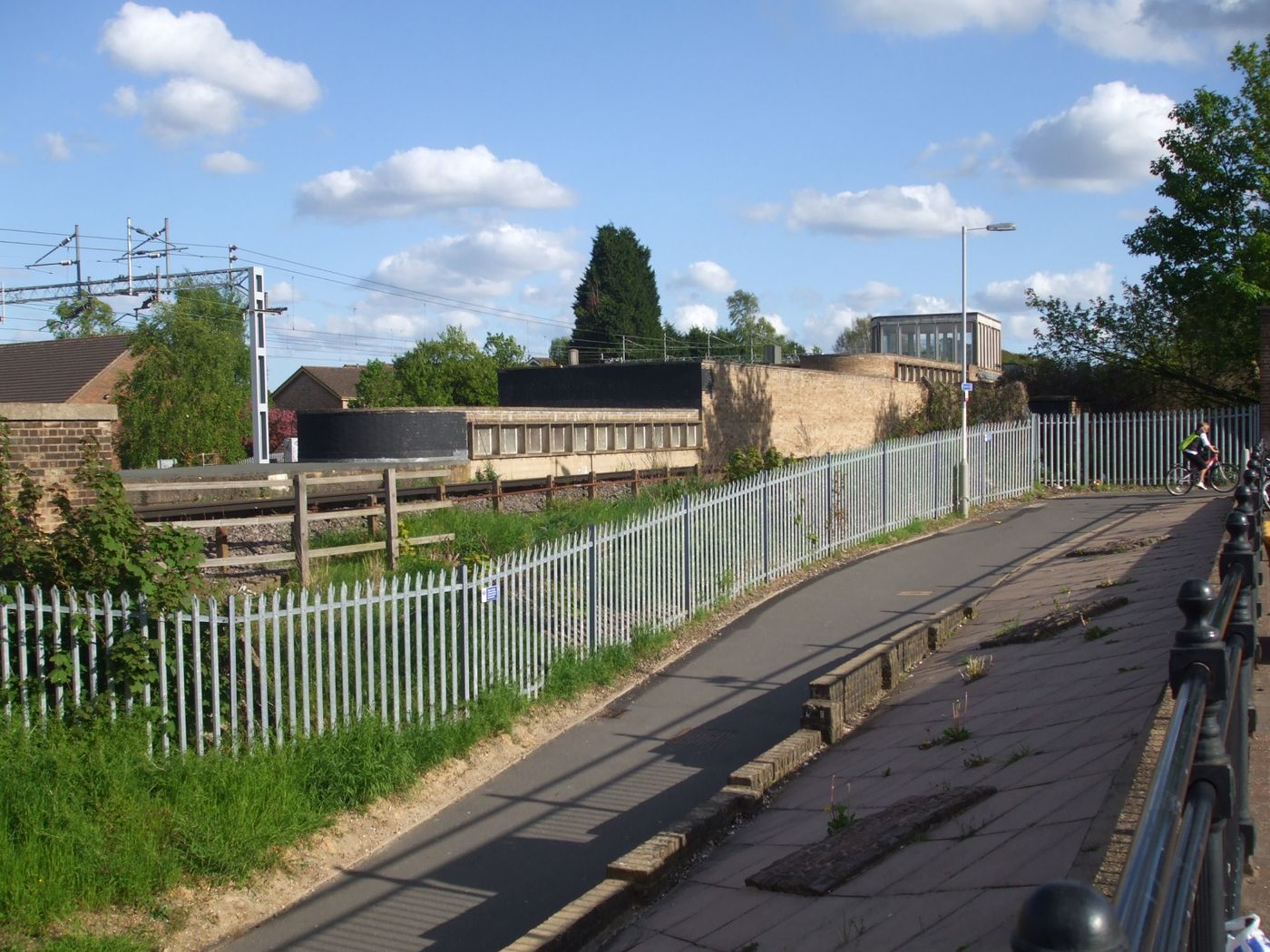
Homes came first and places to work came slowly, so many people had long journeys to their jobs.25 One resident recalls real hardship among families who lost work through the move.473 Many kept their London jobs, some on cheaper workmen's trains, and the old wooden halt could not cope.24,74,138,486 The first bus link to Watford began in June 1950, and services into the estate came later, on dates the sources still disagree about.23,133,487 A new station replaced the halt in 1952 (see A proper station).24,74,138,486 Getting about follows the trains, the buses and the long walks.
A 1960 study of an LCC estate in Hertfordshire, which Jill Stewart, in a guest post on the blog Municipal Dreams, takes to be South Oxhey, found two in three male tenants did skilled manual, routine clerical or shop work.25
Churches
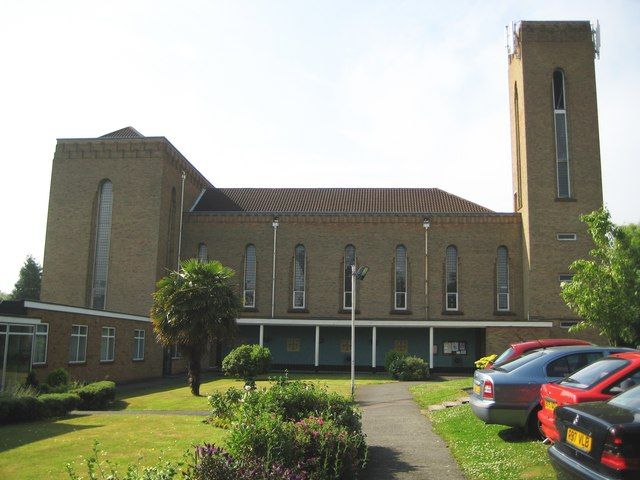
The first tenants worshipped in Oxhey Chapel from 1948 and at St Alphege's in Carpenders Park, and an early Sunday school met at Hampden School.101,114,454,488 Within about ten years five congregations had buildings of their own: the Baptists in Gosforth Lane, the Methodists in Prestwick Road, All Saints beside the chapel and St Martin's in Muirfield Road, all of about 1953, and the Catholics, who used St Joseph's hall until their church on Oxhey Drive was built in 1960, or 1961 by one account.101,119,137,144,145,149,184,185,489 Churches tells how each began and what became of its building.
Shops, pubs and services
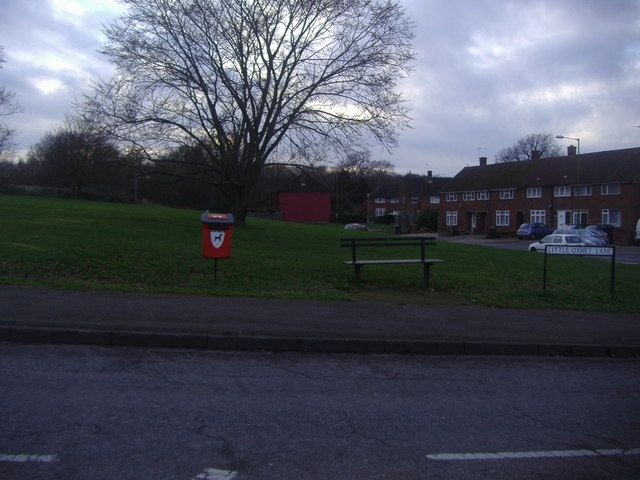
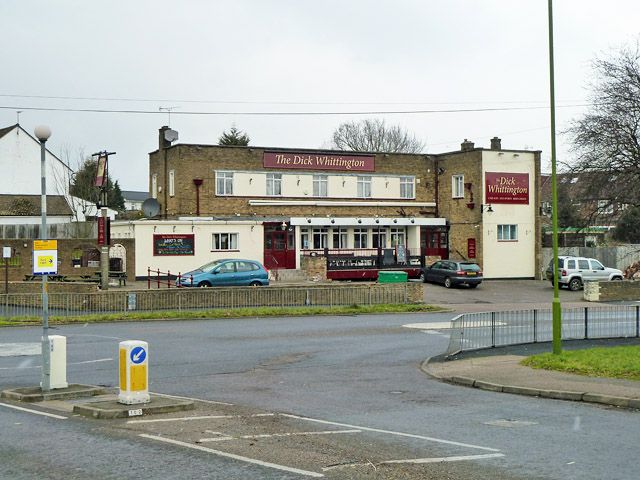
The first shops opened in Little Oxhey Lane in 1949, Prestwick Road gained two shops, a bank and an off-licence in 1952, Hallowes Crescent was trading by the middle of 1951, and the precinct around St Andrew's Road, the big shops, became the heart of the estate.25,113,133,142 Five pubs opened in the end, and only the Dick Whittington is still trading.23,25,490 A van brought library books round before the first library opened in an old farmhouse in June 1951, the doctors and baby clinic worked from Oxhey Place, the Blackwells' old mansion known as the Big House, and a police station opened in Oxhey Drive in 1953.118,125,130,140,279 Shops and pubs follows all of them, and Rebuilding the centre takes the precinct on from 2016.
Schools
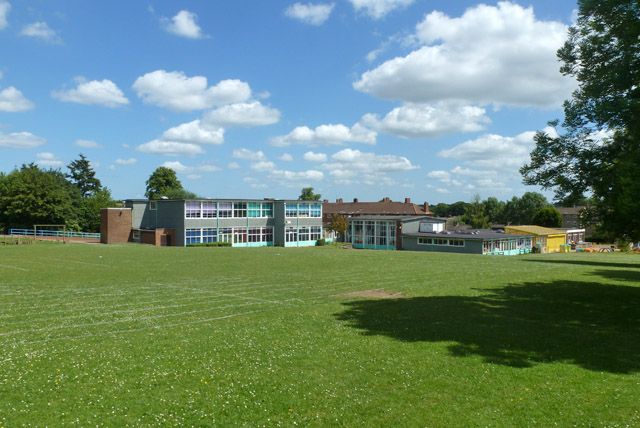
Children first went by coach to schools in Watford, some only part-time, and some still travelled back to London.147,446,473 Warren Dell School, the first on the estate, took its first pupils in May 1949, Oxhey Wood opened in stages in 1950 and 1951, Little Furze and Greenfields in September 1952, Woodhall in 1954 and St Joseph's Catholic primary in about 1955.24,28,123,127,135,149 Hampden and Clarendon, the two secondary schools, opened in 1950 and 1951, merged as Sir James Altham in 1967 and closed in July 1989, since when the estate has had no secondary school.28,124,128,146,180,181 Schools follows each of them to the demolitions.
Clubs, carnivals and sport
Almost nothing was laid on, so people organised it themselves, and the community association had 1,014 members by September 1949.113,450 For the Coronation in June 1953 street committees threw children's parties with films, Punch and Judy and souvenir cups, and the carnival of 1957, held in August or October as the sources differ, paraded from Hayling Road to a fairground on the edge of the old golf course.126,152,491 Calls for more boys' and youth clubs went on all through the 1950s, and the best known of the clubs that answered them was the Blackwell Boxing Club in Oxhey Drive.142 A local Labour councillor started the fundraising for the William Morris Labour hall, which gave people somewhere to gather other than the pubs, and the Services Club in Hallowes Crescent, later the Crescent Club, came down in 2016.228,492 Clubs, sport and events covers the association, the youth wings, the teams and the music.
Neighbours and reputation
Outside views could be harsh.493,494 David Reidy says people in Carpenders Park were anxious about the Londoners moving in, and some set up a vigilante group.147 In May 1953 the Earl of Selkirk told the House of Lords that dormitory towns such as Oxhey were "generally regarded as extremely unfortunate".493 Iris Jones Simantel has described being taunted, as a girl from the estate, at a Watford girls' school.479,494 Looking back in 1996, the Watford Observer said the BBC made a film about the neurosis thought to affect people uprooted from London and rehoused here.142
The same article noted a medical report of 1950 counting 125 cases of tuberculosis here, and a 1951 report lamenting the lack of a community, which set off a heated debate in the paper.142 David Reidy judges the estate's ill health was real but not out of proportion.147 Residents' own accounts dwell on friendly neighbours and a strong community spirit.474,475,481
Growing up on the estate
Residents writing on Our Oxhey remember a childhood spent outdoors.446,492,495 They made camps among the builders' bricks, picked bluebells, and spent long days in the woods beyond the old golf course.446,494,495 A resident says a councillor told her mother the many greens were a condition of allowing the estate to be built, so that London children had somewhere to play, unlike today's no ball games signs.496
Wide pavements and quiet roads suited bikes, scooters and home-made trolleys.492,497 Young people took Saturday jobs and helped on milk rounds, though one recalls little to do beyond the ice cream parlour and the Cow Shed.102,492,498
Later years
A gas fitter who worked on the estate from 1980 to 1986 remembered down-to-earth Londoners who often offered him tea and cake.499 Change and renewal tells how the estate passed to Three Rivers and what came next.